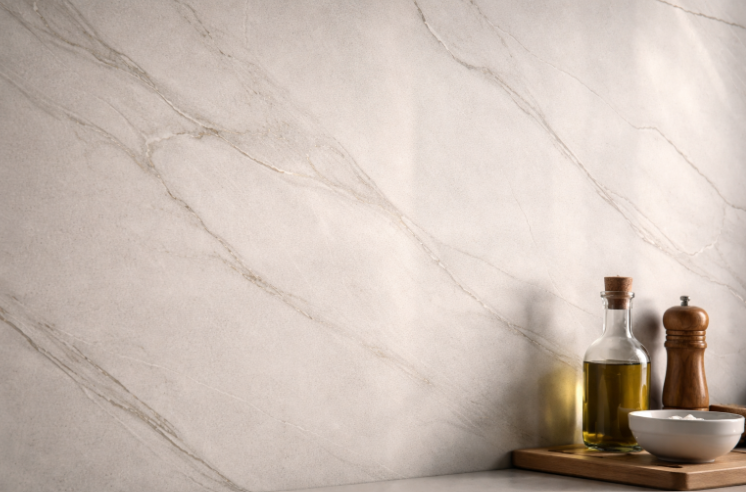
Kitchen work in the United States keeps drawing real spending, and figures shared by the National Kitchen and Bath Association note that 86% of kitchen remodels in 2024 involved a fresh backsplash or an extended wall surface. That number says a lot about how much strain these areas take during daily cooking routines. Tiles stay relevant because they respond predictably to heat, water and regular cleaning, and dense porcelain with absorption under 0.5% still suits the sections that see the most spills. Designers look closely at these behavior patterns when planning kitchen tile design, since the surface can alter how light moves and how the space functions during meal prep. Larger porcelain panels and sharper printing have shifted how people assess kitchen wall tiles ideas and broader kitchen wall tiles design, and newer kitchen floor tile ideas concentrate on safer traction, stronger load handling and steadier performance inside open American layouts.
Also Read: Front Door Designs for Houses: Modern, Classic & Stylish Ideas
How US Households Influence Modern Kitchen Tile Design
American kitchens serve practical and social roles at the same time. They connect to living areas, absorb steady foot traffic, and hold daily routines. These conditions shape how surfaces are chosen. Many homeowners want backgrounds that sit quietly in the room while still offering strong resistance to wear. As a result, designers choose tones that work with warm lighting, soft cabinet colors, and mixed metal fixtures. This shift influences kitchen wall tile ideas that lean toward balance rather than high contrast.
The performance expectations have changed as well. Tiles in the United States must stand up to temperature changes from ovens and dishwashers. They also need glazes that resist staining when cooking oils or sauces hit the surface. In simple terms, the modern American kitchen needs tiles that behave predictably when exposed to real household use instead of perfect showroom conditions.
Also Read: Dining Table Centerpiece Ideas for Modern & Stylish Homes
Wall-Specific Tile Innovations Shaping Modern Kitchens
Full-Surface Installations
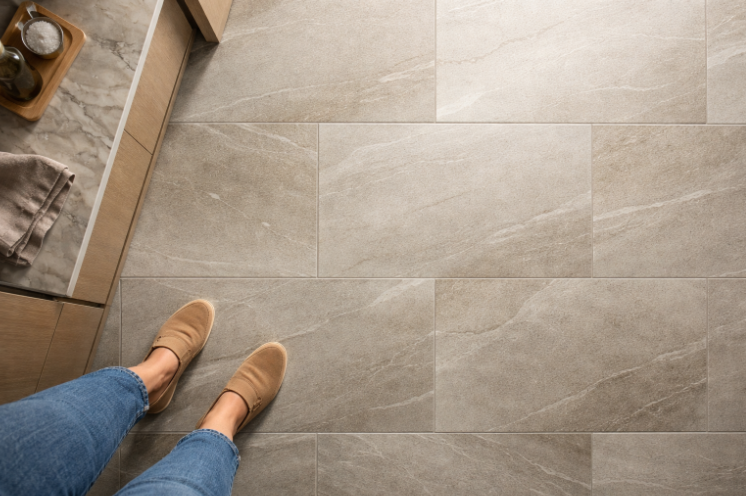
Extending tile from the countertop to the ceiling has become increasingly common because it removes exposed drywall where moisture can gather. It also gives the wall a tall and uninterrupted look. When shelves are installed above the counter, this full surface treatment frames items clearly and softens visual clutter.
Structured and Textured Ceramic Surfaces
Tiles with gentle ridges or raised contours react beautifully to window or pendant lighting. They create soft shadow lines that bring depth without relying on bright colors or bold decoration. These details make the wall feel more expressive and work especially well in simple kitchens that need a bit of texture.
Vertical, Slanted, and Offset Layouts
Classic subway shapes remain popular, although the way they are set has changed. A vertical stack increases the sense of height. A slanted or stepped pattern adds movement across the wall. Homeowners use these layout shifts to refresh familiar tiles and update their kitchen wall tiles design without committing to busy graphics.
Selective Mosaic Panels
Smaller tiles appear mainly in controlled areas such as behind a cooktop or inside a recessed shelf. These panels offer a quiet moment of detail and serve as functional anchors without overwhelming nearby surfaces.
Also Read: Small Balcony Virtual Staging Ideas That Actually Convert Apartment Listings
Material Direction in Kitchen Wall Tiles Design
Porcelain With High-Density Bodies
Porcelain with a dense body structure tends to behave well behind a cooktop since it barely absorbs moisture and stays stable around heat. Many homeowners choose it because newer printing methods can mimic stone without bringing the upkeep that real stone demands.
Ceramic Glazes With Gentle Movement
New ceramic glazes create soft transitions in color that mimic handmade pieces. These tiles give the wall a relaxed and lived-in character. They work especially well in mid-sized kitchens where homeowners want expression without extreme contrast.
Stone Inspired Finishes
Marble and limestone patterns still appear frequently, although many homeowners prefer controlled and quiet veining. This approach keeps the wall timeless and supportive of countertops in quartz or granite. It also adds an architectural quality to the room.
Warm Neutrals and Balanced Tones
Colors such as sand, mushroom, clay and warm gray remain popular because they work well under warm LED lighting. These tones settle the room and help other materials stand out naturally.
Also Read: Modern Chandelier Designs for Living & Dining Rooms
The New Landscape of US Kitchen Floor Tile Ideas
Large Format Porcelain Slabs
Oversized tiles reduce joint lines and create a smoother walking surface. They also make narrow kitchens feel wider. With American kitchens handling constant movement, a unified floor plane can noticeably improve comfort.
Concrete and Stone Effects
Concrete-inspired tiles offer a sculptural look without weight or cracking concerns. Stone effect porcelain brings texture and grounding to the room and performs well under radiant heating. These finishes suit homeowners who want clean surfaces that still carry visual interest.
Realistic Wood Look Tiles
New printing technology produces grains and board variations that look convincing from a distance. These tiles give warmth while resisting swelling and staining, which natural hardwood struggles with near sinks or ovens.
Matte and Lightly Textured Surfaces
Matte tiles and soft textures help steady your footing when the kitchen gets busy. These surfaces catch a bit more grip without turning cleaning into a chore. Many families with kids or pets prefer them for the extra security they offer.
These flooring choices offer a strong set of kitchen floor tile ideas that balance appearance and reliability.
Also Read: Best Balcony Staging Ideas for Apartments
Functional Logic Behind Tile Size and Layout Choices
Tile size influences how the kitchen feels and functions. Large tiles create open and continuous surfaces, which help smaller kitchens feel more relaxed. Smaller tiles add articulation but are better used for accents instead of full floors. Layouts also influence room perception. Vertical patterns stretch the wall upward while horizontal patterns widen tight spaces. Chevron and diagonal formats add subtle energy, although they require careful cutting and alignment.
These layout decisions shape light flow, walking comfort, and how the kitchen relates to surrounding rooms, which is why size choices work best when paired with the room’s natural proportions.
Technical Factors That Influence Tile Performance
Tile behavior depends on several practical details that show up during installation or long after the kitchen settles into daily use. Designers and installers usually watch a few factors closely because they decide whether the surface holds up under real American cooking routines.
Porosity levels affect where a tile can sit. Dense porcelain behaves well around sinks and heat since it absorbs very little water.
Ceramic works more comfortably on walls because impact and moisture loads stay lower.
Slip ratings influence floor choices in homes with outdoor access since shoes carry water inside.
Thermal changes near ovens can strain weaker bodies, so stability matters more than many homeowners expect.
Grout width changes how the floor reads and how often cleaning is needed. Wider lines help patterned layouts settle while narrow joints demand careful alignment.
Also Read: DIY Bedroom Staging Ideas Under $100
How Tile Choices Interact With American Home Layouts
Tile behavior changes from house to house, and most installers look at the layout long before picking a finish. Each space creates its own set of conditions, so the tile has to match what the room demands rather than what looks good in a catalog.
Open kitchens benefit from floors that carry one visual line into living areas because it keeps movement steady.
Concrete or stone look porcelain usually supports that flow without distracting grout breaks.
Smaller rooms respond better to light-toned walls that push height and reduce heavy shadow pockets.
Older homes complicate things since subfloors settle over time, so proper underlayment becomes essential.
Large tiles highlight uneven framing quickly, which is why leveling compounds often come in before the installation starts.
These adjustments help the finished surface stay stable and protect the work long after the remodel ends.
Maintenance Patterns That Shape Tile Decisions
Maintenance influences overall satisfaction more than many homeowners expect. Gloss tiles show fingerprints quickly, which makes them better for accent areas. Matte finishes hide minor streaks and stay more consistent between cleanings. Textured floors need soft-bristle tools to reach small grooves without wearing the surface. Porcelain tolerates stronger cleaners while ceramic does best with mild agents to protect the glaze.
Different households clean at different intervals, so choosing a tile that suits the home’s routine helps the kitchen age gracefully.
Also Read: Virtual Staging for MLS Listings: What to Know
Tile innovation has expanded what modern US kitchens can achieve. Homeowners now have access to wall surfaces that bring depth through texture or controlled pattern direction and floors that carry strength under daily use. When people evaluate porosity, slip behavior, tile size, layout choices, and long-term maintenance together, they find surfaces that perform reliably while supporting the room’s visual identity. With current improvements in kitchen wall tile design, a wider variety of kitchen wall tile ideas, and advanced kitchen floor tile ideas, American kitchens can remain resilient, easy to maintain, and aligned with personal style.
See Your Kitchen Before You Build
Deco’s virtual staging tools help you preview tile layouts, lighting behavior and spatial balance so you can make confident design decisions without committing to physical installation.
FAQs
1. Why do some tiles look different once installed on a kitchen wall?
A lot changes when the tile leaves the showroom. Kitchen light bounces off cabinets and counters in unexpected ways, so colors shift slightly. Most designers place a few pieces on the actual wall to see how the surface settles visually.
2. What affects how a floor tile handles long-term weight from appliances?
The tile body and subfloor matter more than people think. Porcelain rated for heavier loads helps, but what really decides things is whether the floor stays level under pressure. A quick trial piece on the actual substrate usually shows how it behaves.
3. How can tile size influence movement through a kitchen?
Large tiles create broader pathways because the eye follows the bigger shapes instead of the grout lines. Smaller pieces slow down the room visually. Many homeowners only notice this once they walk across a sample layout taped out on their own floor.
Ready to transform your listings?
Experience the power of AI-driven virtual staging with Deco.


