
What Backyard Staging Means in the Current U.S. Market
Most people who spend time improving their outdoor areas want the yard to feel useful first. That is really the starting point for backyard staging. A simple space becomes easier to read when the layout is clear and the surfaces stay maintained. The trend has grown across the country as outdoor living keeps gaining attention. A 2024 market review placed the value of outdoor living structures at USD 892.9 million, which gives an idea of the scale.
Buyers respond to this shift. A recent analysis showed certain homes earned a small premium when outdoor kitchens or well-planned patio areas were part of the listing. Some reached about 3.1% over the expected value. Good backyard stage ideas support that reaction. They help people imagine routines. This is why staging a backyard has become common in many markets.
Also Read: Small Outdoor Stage Design Ideas
Spatial Planning Principles That Shape Effective Backyard Stage Ideas
The way a yard is arranged affects how people move, sit, and interact with the space. Many homeowners start with structure because a clear layout makes the whole area easier to understand. Good planning also keeps the yard practical through different seasons. When backyard staging is done with care, every part of the space feels like it belongs there.
Understanding Movement Through the Space
Most yards work better when the main walkway feels obvious. People tend to follow the first open line they see, and a clean path helps them settle into the area. Seating zones set slightly away from these paths usually feel calmer. This simple distinction becomes important when you introduce any backyard stage ideas meant for relaxing or hosting.
How Sun and Shade Shape the Layout
Sunlight changes the way outdoor spaces feel from morning to evening. A yard that stays bright all day may need shade structures, while a shaded yard benefits from open areas that catch some afternoon light. These small adjustments make staging a backyard easier because you design with comfort in mind rather than guessing what works.
Creating Balance Between Open and Filled Areas
Every outdoor space needs breathing room. Too many pieces make the yard feel crowded. Too little leaves it unfinished. A balanced layout feels steady without calling attention to itself. This balance supports both everyday use and long term appeal.
Also Read: Commercial Office Staging
Structural Elements Shaping Backyard Function and Stability
Fixed structures give a backyard its shape. Once these elements are in place, the rest of the space becomes easier to plan around. Many homeowners start here because strong foundations support both comfort and long term durability. When these choices are made with intention, backyard staging becomes far more predictable and the outdoor area feels stable through the year.
How Patios and Decks Create a Stable Base for Outdoor Use
A solid surface sets the tone for most outdoor setups. Patios handle steady foot traffic and keep furniture level. Decks raise the usable area slightly and work well on sloped lots where soil movement becomes an issue. These surfaces guide how people enter and settle into the space. They also make future backyard stage ideas easier because the layout has a defined anchor.
How Overhead Features Improve Comfort and Shape Daily Use
Structures such as pergolas and simple roofed sections help control heat and glare. They also mark out zones without enclosing anything. People tend to stay longer in these areas because the overhead layer creates a sense of shelter. This improves the experience when staging a backyard for gatherings or quiet use.
How Low Walls and Edging Strengthen the Layout of a Yard
Low walls, built seating, and clean edging can frame the yard without closing it in. These features direct sight lines and help the yard feel complete. When the boundaries look intentional, the rest of the space becomes much easier to shape and maintain.
Also Read: Home Office Staging Ideas
Plant Choices Shaping Privacy and Outdoor Comfort
Plants play a quiet but steady role in how a yard feels. Many homeowners use planting as a functional tool because it changes light, sound, airflow, and sightlines in ways hard surfaces cannot. When the choices are thoughtful, backyard staging becomes far easier since the space already carries a calm structure.
How Layered Planting Builds a Sense of Seclusion
A simple layered layout can guide the mood of a yard. Taller trees sit toward the edges, medium shrubs fill the center zones, and smaller ground plants soften the front. The mix creates depth and breaks unwanted views without feeling heavy. Once this natural frame settles in, backyard stage ideas take shape more smoothly because the yard feels protected and quieter.
How Seasonal Growth Patterns Influence the Yard
Every plant moves through the year in its own rhythm. Evergreen varieties keep the structure steady. Flowering types add short pockets of color. Grasses sway with wind and keep the yard from looking rigid. A balanced combination avoids empty corners during colder months and helps when staging a backyard for long term appeal.
How Soil and Water Planning Keep Plants Consistent
Healthy plants depend on soil that drains well and holds moisture evenly. Drip systems help avoid water waste and reduce surface runoff. When these basics are in place, the planting bed stays reliable, and the rest of the yard looks more controlled and easier to manage.
Also Read: Bathroom Staging Ideas
What Helps a Backyard Handle Social Gatherings Comfortably?
A yard feels more inviting when the layout encourages people to settle in without thinking too hard about the space. Clear zones make hosting easier. When the structure feels natural, backyard staging becomes a simple extension of how the yard already behaves.
Seating Ideas for Easy Conversation
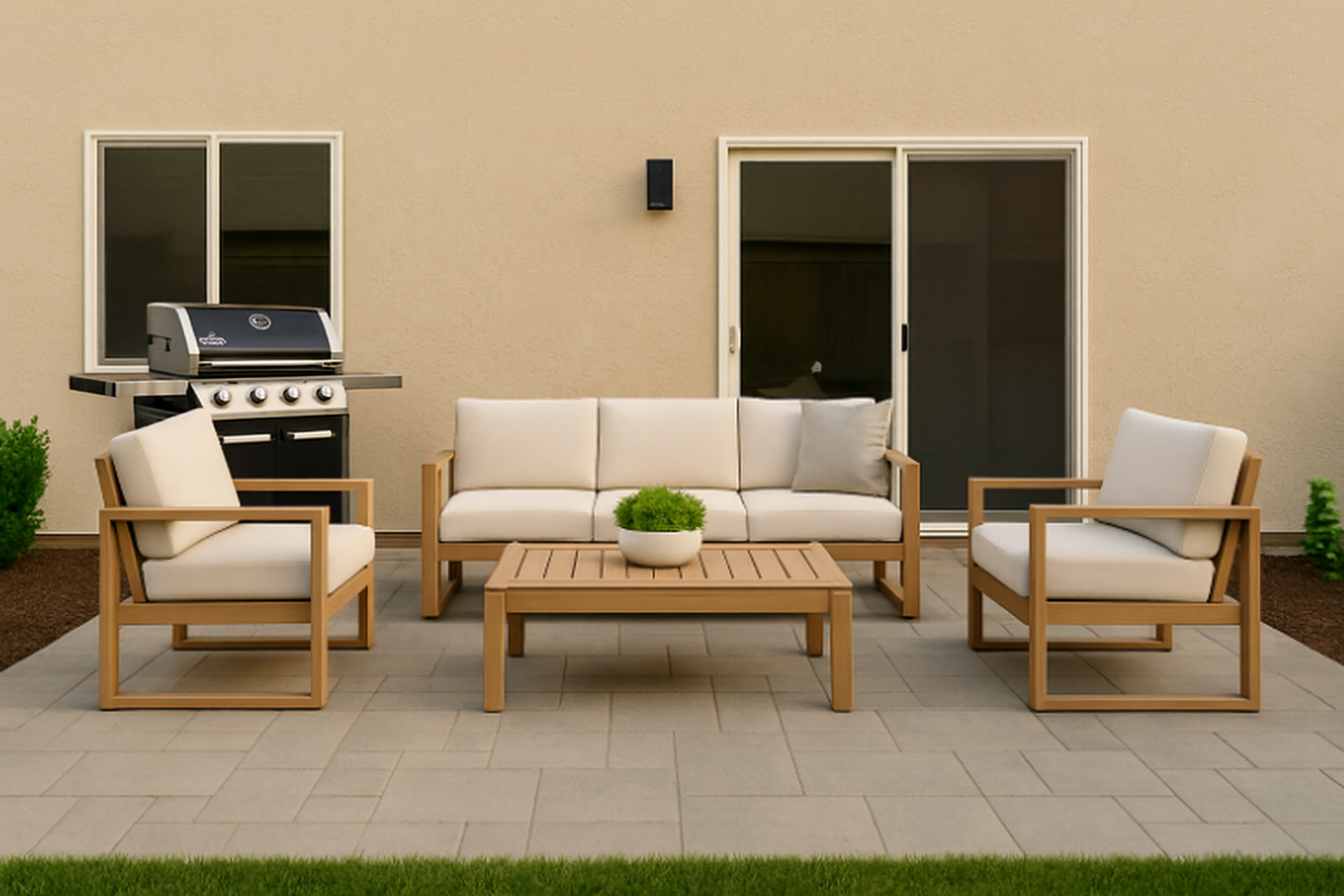
People relax sooner when the seating forms a gentle center point. A few chairs angled toward one another create a natural pause in the space. Light framed pieces keep the yard open and avoid a crowded look. This approach supports many backyard stage ideas because it signals where the group can settle.
Cooking Spots That Support the Flow of a Gathering
A grill or small prep surface placed near, but not inside, the seating area helps the host stay part of the group. A narrow counter or a rolling work cart keeps utensils and ingredients in one place. Buyers who enjoy outdoor living often notice this detail when staging a backyard becomes part of the selling plan.
Power Options and Soft Sound for a Relaxed Setting
Outdoor outlets near the main seating help with small lamps or a quiet speaker. Music carries more smoothly when the volume stays low. The target is a steady atmosphere where people can talk without strain while the yard holds its own sense of calm.
What Turns a Backyard Into a Relaxing, Well Staged Retreat?
A relaxing yard usually comes from choices that feel intentional rather than decorative. When the space reads clearly from the first glance, the staging feels honest. Buyers notice this quickly, and so do guests. A calm layout also helps backyard staging work with less effort because the elements already support quiet use.
Small Retreat Spots With a Clear Purpose
Staged relaxing areas need a focus. It might be a single reading chair, a slim bench pointed toward a view, or a corner that gives a little privacy. These pockets show how the yard supports slower routines. They also make backyard stage ideas easier to build because each spot communicates its purpose without explanation.
Shade Features Used as Staging Anchors
Shade is a strong staging tool since it creates a natural place to pause. A pergola frame, a light canopy, or a tall planting group can anchor a seating zone. Once this anchor is set, the rest of the staging becomes simpler. Buyers tend to imagine daily use here, which helps when staging a backyard for long term appeal.
Soft Elements Used With Restraint
A few cushions, a woven stool, or a small textured rug can settle the mood of the yard. These pieces work best when used sparingly. They warm the space without turning it into a display. This restraint makes the staging feel lived in rather than arranged for a single moment.
Also Read: Living Room Staging Ideas
How Outdoor Photos Strengthen the Impact of Backyard Staging
A staged yard may look good in person, but buyers usually see it online first. Strong photos help the space feel complete and honest. Many homeowners plan their backyard staging with the camera in mind because listing images shape early interest. A yard that photographs well stands out in a crowded search.
Angles Chosen to Show the Full Layout
A wide shot taken diagonally across the yard reveals depth and shape better than a straight view. This lets buyers understand the flow between seating areas, open zones, and planting beds. Clean angles also help many backyard stage ideas read more clearly before a buyer ever steps inside the home.
Lighting Used to Bring Out Detail
Soft morning light or late afternoon light tends to show texture without harsh shadows. These times make surfaces look even and natural. They also help colors stay balanced. When homeowners prepare images for listings, this simple timing choice often supports staging a backyard more than any filter or edit.
Scene Preparation That Keeps the View Honest
Cushions arranged neatly, plants watered, and surfaces cleared of debris keep the space believable. Buyers prefer photos that match real use rather than setups that feel staged for a moment. Small adjustments create a steady look while still showing how the yard functions day to day.
Conclusion
A well prepared yard carries more influence than most homeowners realize. Clear zoning, steady plant structure, and practical comfort cues help the space feel lived in instead of styled for a single moment. When these ideas come together with care, backyard staging becomes easier to manage and far more convincing to anyone viewing the property. Buyers also respond strongly to outdoor areas that feel calm, open, and ready for daily routines. Simple preparation, honest layout choices, and a few guiding signals can turn even a modest yard into a steady highlight of the home. Strong backyard stage ideas support this shift by giving the space clarity, purpose, and long term appeal. These choices also make staging a backyard more predictable and rewarding during a sale.
Bring Your Outdoor Photos to Life
Deco creates clean, realistic virtual views that help any staged yard look clear and inviting in listing photos. Use Deco’s virtual staging service to present outdoor spaces with accuracy, balance, and strong buyer appeal.
FAQs
What helps a staged backyard feel comfortable for a buyer walking in for the first time?
Buyers usually notice the simple things. A clean entry point, chairs placed in a way that feels easy, and a yard that looks cared for. None of it needs to be fancy. A comfortable first step sets the tone for everything else.
What can someone do if the yard feels uneven or slightly awkward in shape?
Most people try to fix the whole yard, but one steady spot is enough. A firm surface with a couple of chairs gives buyers a place to settle. Once they feel grounded, they understand the rest of the space more calmly.
How can a big yard be staged without filling it with furniture?
Large yards read better when you give the eye a few quiet markers. A small table near the back door and a single seating corner farther out usually do the job. The open ground becomes a positive instead of empty space.
What helps a staged yard stay presentable during a long sale period?
Small habits make the biggest difference. A quick sweep, trimmed corners, plants watered, cushions set straight. Nothing complicated. When the yard holds a steady shape from week to week, buyers sense the home has been looked after.
Why do simple pathways help during a showing?
People move more confidently when the walking line is clear. Even a short strip of pavers or gravel makes the direction obvious. It prevents hesitation, and buyers focus on the yard itself rather than figuring out where to step.
What does evening staging add that daytime staging cannot show?
Evening light changes the mood completely. Soft lamps or small garden lights make the yard feel calmer and more lived in. Buyers imagine dinners, quiet time, simple routines. The scene becomes less about looks and more about how the space feels.
Ready to transform your listings?
Experience the power of AI-driven virtual staging with Deco.


